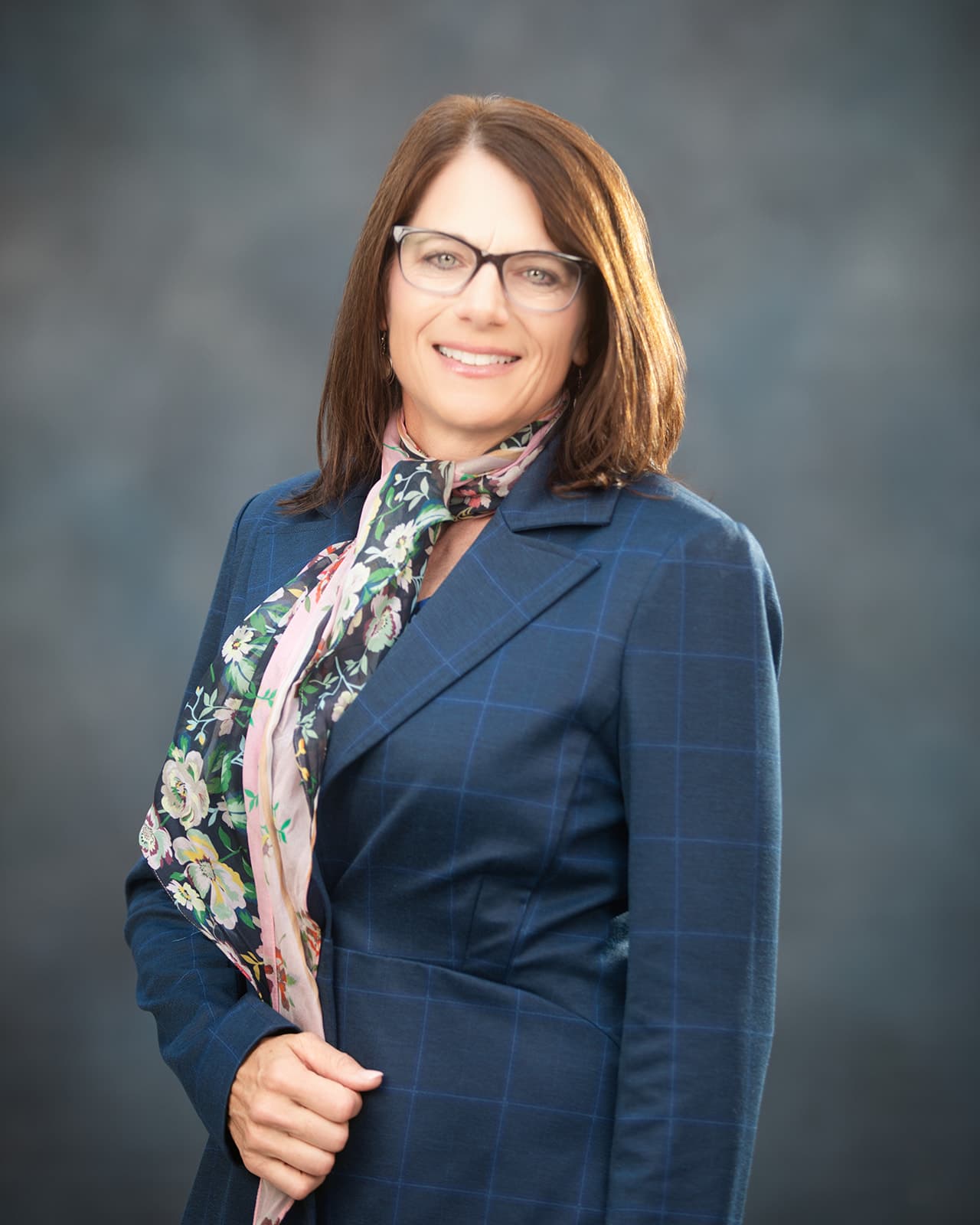
By Ford Knowlton
Amy Connor: Working Herself Out of a Job, Ten Years Running
CMO-OnLoan marked its tenth anniversary on September 16, 2026. Amy Connor built it to help clients run their own marketing. A decade later, her practice shows how independence and lasting trust can grow together.
Know Amy?
A specific experience can help someone else understand what it is like to work together.
CMO-OnLoan turned ten on September 16, 2026. Amy Connor built the practice around an idea that still feels unusual: help clients become capable enough to carry the work forward themselves.
In that sense, Amy designed her business to end.
Not the business itself. Each engagement inside it. She builds a company's marketing capability, implements it alongside the team, and then hands it over and steps back. The client keeps the tools. The client keeps the thinking. Amy leaves.
She calls it graduating.
One of her earliest clients is still working with her nine years later.
That is the part I keep coming back to. Amy wants clients to learn enough to do the work themselves. A relationship that continues after that has a different foundation: they know what she brings, and they keep choosing to work together.
That is worth sitting with.
From corporate marketing to CMO-OnLoan
Amy spent nearly two decades in corporate marketing. She started as an intern at Iams doing market research, earned her MBA at the University of Dayton, and transitioned into marketing. After Procter and Gamble acquired Iams in 1999, she worked on Pepto-Bismol, on Metamucil, and on the pre-launch team for Align. In 2010 she moved to Luxottica and worked her way up to VP of Marketing for LensCrafters North America.
Then in 2016 an international relocation came up that she did not want.
She stepped away from her corporate track.
What happened next is the part I keep hearing versions of from people who leave corporate well. She did not build a plan and then find clients. Business owners she already knew told her what they needed, and the practice assembled itself around that.
“I could use your firepower, I just don't think I need it every day.”
That sentence is the entire fractional value proposition, said by a buyer rather than a seller.
Making marketing understood
Amy now works mostly with mid-market companies, roughly ten to one hundred million in revenue. Her practice gives companies access to experienced marketing leadership when they need that perspective but do not need a full-time chief marketing officer.
She is blunt about what the job actually is.
“We are not trying to deliver marketing. Our purpose is to help fuel mid-market company growth.”
That distinction sounds small and it is not. Delivering marketing means the work leaves with the consultant. Fueling growth means something has to stay behind.
So Amy strips the jargon out. She uses what she calls normal people words, on the principle that a strategy nobody in the building can explain is not a strategy.
“If they don't get it, it actually doesn't matter if I get it.”
I have thought about that line more than once since. It puts the responsibility for clarity on the person bringing the expertise. Can the team explain the strategy and use it when she is not in the room?
Keeping what already works
She respects what is already there.
“Don't break something that's older than you, but breathe a little life into it.”
An established business has a history that a new adviser cannot understand from a first meeting. Before changing a process, it helps to learn why it exists and what the people using it know.
Amy comes in looking for what is worth keeping first.
That instinct also shows up in how she has built the practice itself. Her team is made up of her former corporate colleagues, people she has worked beside and whose judgment she already knows. She caps the practice at twelve to fourteen clients. Not because more work is unavailable, but because the model does not survive being stretched.
Deliberate scale is rarer than it should be.
Giving students their first opportunity
Amy runs an internship program called Launching Pad, aimed specifically at college freshmen and sophomores. Not juniors and seniors, who already have a résumé and a direction. The younger students, who mostly get told to come back in two years.
She is direct about why.
“Interning changed the trajectory of my life at Iams and I'm so appreciative of those people.”
Her whole career traces back to somebody giving a twenty-year-old real work. She is now roughly thirty years into paying that back, on her own time, inside a practice she deliberately keeps small.
What stays after the work is done
For business owners, Amy is a specific kind of bet. You are not hiring someone to run marketing for you indefinitely. You are hiring someone to make your company capable of running its own marketing, and then to be the person you call when something changes.
For fractional leaders, her practice is an argument. The model that gives the work away is the one that kept a client for nine years.
“When we get that trust level going, we can do amazing things together.”
That is the whole thing, really.
Not marketing delivered.
Marketing understood, by the people who have to live with it after you go.
Know Amy?
A specific experience can help someone else understand what it is like to work together.